
Surgical Orthodontics
Live Life Smiling
Surgical Orthodontics (Orthognathic Surgery) in North Bergen
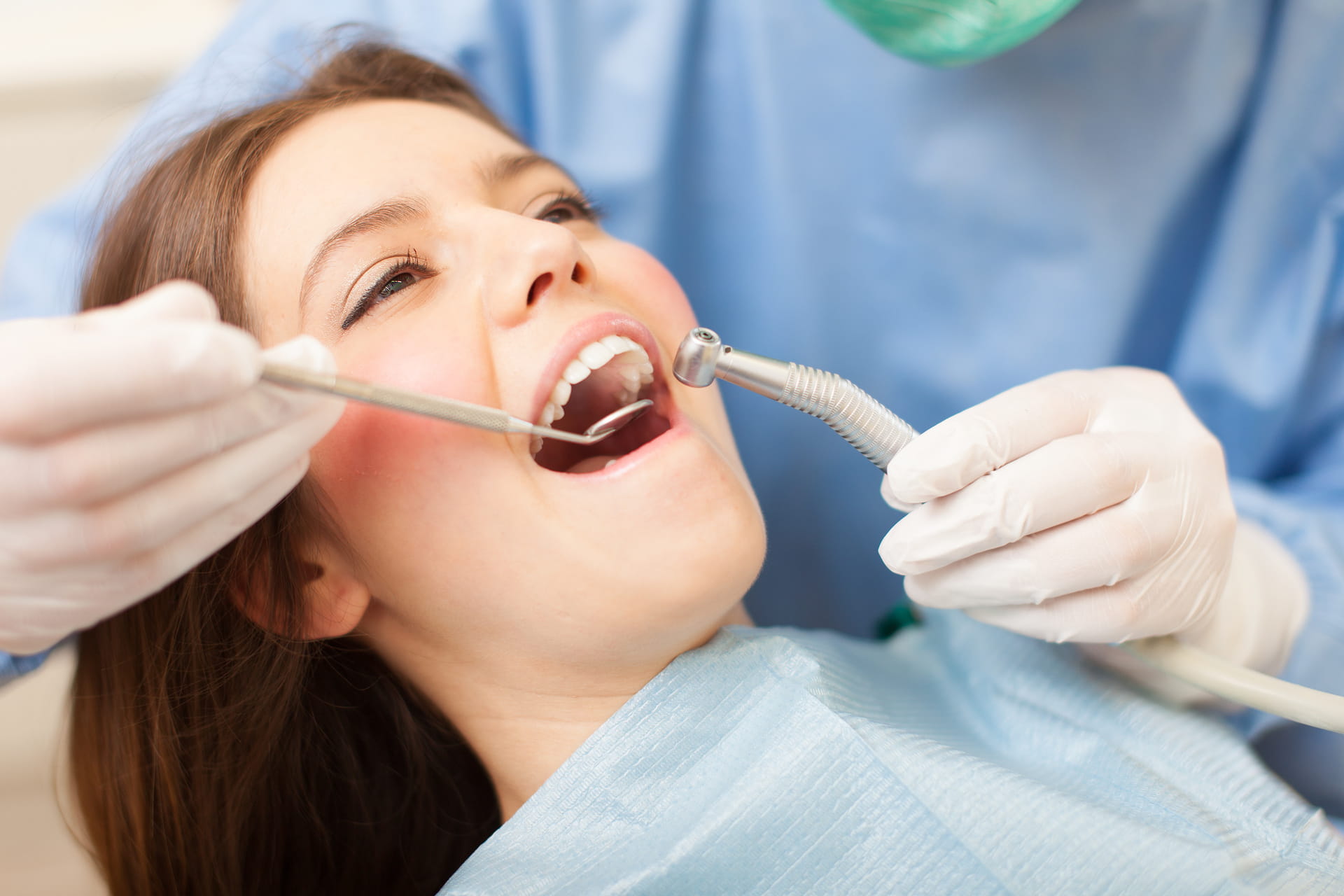
For patients with severe jaw misalignments or complex bite issues that cannot be resolved with braces or clear aligners alone, surgical orthodontics provides a transformative solution. Also known as orthognathic surgery, this specialized approach combines orthodontic care with oral surgery to reposition the upper or lower jaw. At KSV Orthodontics, Dr. Khushali Shah works collaboratively with skilled oral and maxillofacial surgeons to align your jaws and teeth, restoring optimal facial balance, proper chewing function, and long-term oral health.
What Is Surgical Orthodontics?
While standard orthodontic treatment focuses on moving teeth into their ideal alignment, surgical orthodontics addresses structural discrepancies in the underlying jawbones. When the upper and lower jaws grow at different rates or out of alignment, it can lead to severe bite issues, difficulty chewing or swallowing, breathing difficulties, and facial asymmetry. Orthognathic surgery aligns the jawbones themselves, allowing your orthodontist to position your teeth properly on a stable foundation.

Who Needs Orthognathic Surgery?
Surgical orthodontics is typically reserved for adult patients whose severe jaw misalignments cannot be corrected through tooth movement alone. Candidates for orthognathic surgery often experience conditions such as:
- Severe Underbites or Overbites: Where the lower jaw extends far past or sits significantly behind the upper jaw.
- Open Bites: A gap remains between the front or side teeth when the back teeth bite together.
- Facial Asymmetry: Significant structural imbalances between the left and right sides of the jaw.
- Difficulty Chewing, Biting, or Swallowing: Functional limitations caused by severe jaw misalignment.
- Obstructive Sleep Apnea (OSA): Airway restrictions related to a receded or underdeveloped lower jaw.
The Surgical Orthodontic Process
Orthognathic treatment is a collaborative multi-phase process that requires careful coordination between your orthodontist and oral surgeon:
- Pre-Surgical Orthodontics (12–18 Months): You will wear braces or clear aligners to align the teeth within each individual arch so they will fit together properly once the jaws are surgically repositioned.
- Orthognathic Surgery: Performed in a hospital setting by an oral surgeon under general anesthesia. The surgeon repositions the jawbones into their proper anatomical alignment using tiny, biocompatible plates and screws.
- Post-Surgical Refinement (6–12 Months): After healing, Dr. Shah uses braces or aligners to fine-tune your bite, ensuring your teeth meet with maximum stability and aesthetic harmony.


Benefits of Surgical Orthodontic Care
Correcting severe jaw discrepancies delivers life-changing functional, health, and cosmetic benefits:
- Restored Chewing & Speech Function: Properly aligned jaws make eating comfortable and improve speech clarity.
- Enhanced Facial Balance: Repositioning the jaw improves facial symmetry and profile proportion.
- Long-Term Enamel Preservation: Eliminates abnormal enamel wear caused by an improper bite.
- Airway Improvement: Can significantly alleviate symptoms of sleep apnea and nighttime breathing obstruction.